

Recent case studies









This case study in summary
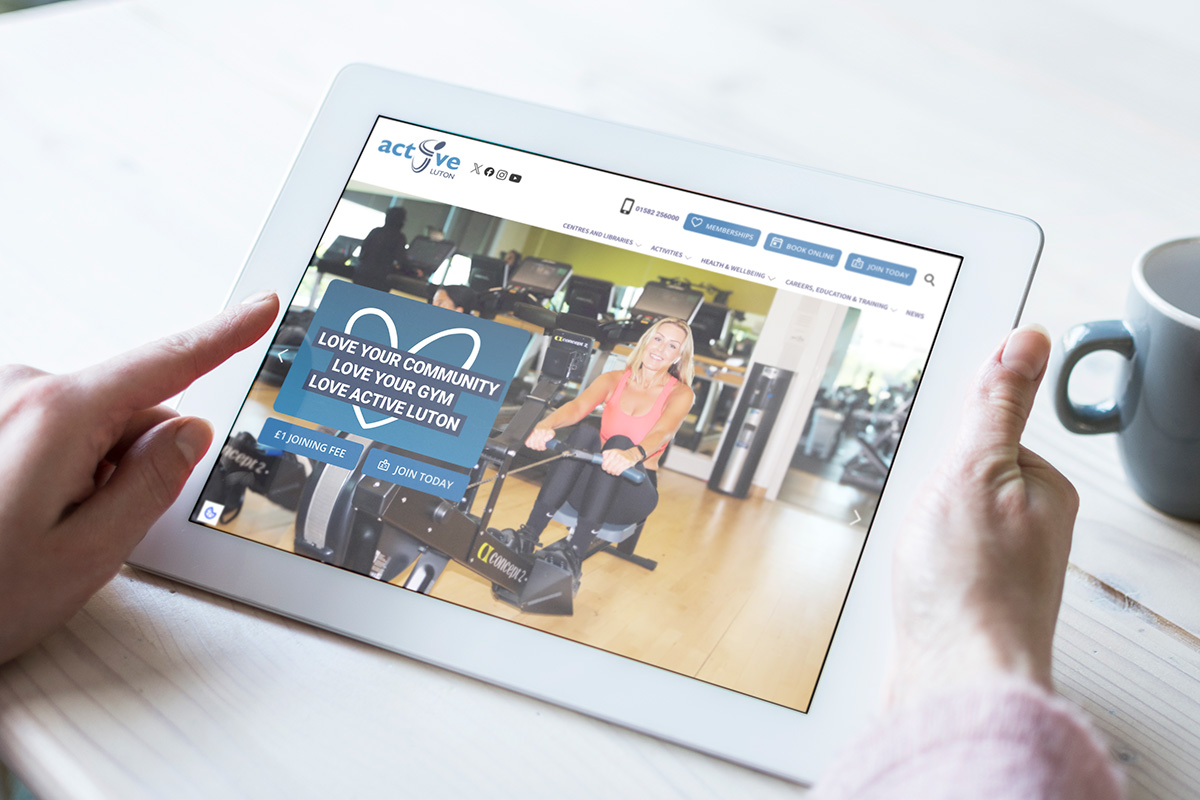
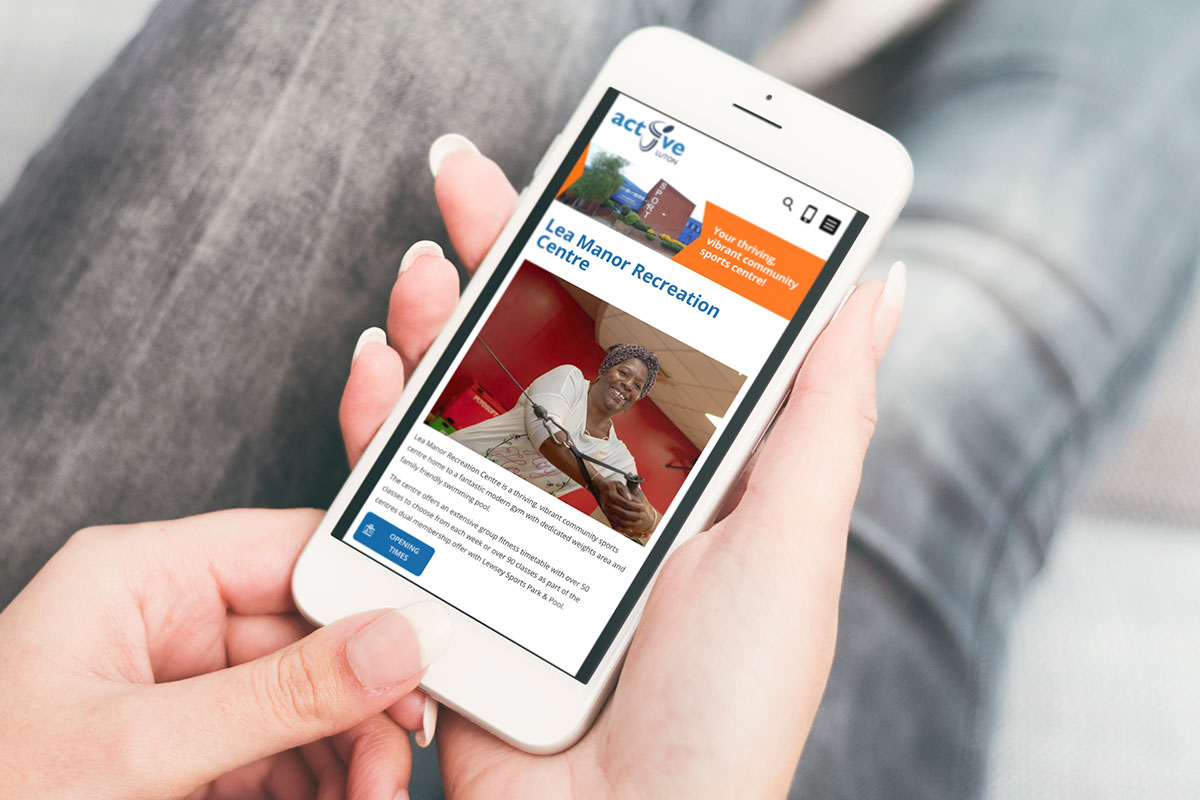
We redesigned and rebuilt Active Luton’s complex legacy website into a scalable, user-friendly digital platform, improving accessibility, operational efficiency and long-term flexibility.

Transforming a Complex Public-Facing Platform into a Scalable Digital Hub
Background
Active Luton is a charitable trust delivering a wide range of leisure, health and community services across Luton. With a broad audience spanning residents, members and programme participants, their website plays a critical role in communicating services, enabling access, and supporting engagement at scale.
The problems we solved
Active Luton’s existing website, built on Joomla, had become increasingly difficult to manage, extend and optimise. The scale of the site—spanning hundreds of pages and a large volume of structured content—created friction for both users and internal teams.
From a user perspective, navigating services, programmes and facilities was not as intuitive as it needed to be. From an operational standpoint, the internal team faced limitations in updating content efficiently, managing enquiries, and integrating with their wider systems.
Critically, the platform lacked the flexibility required to evolve alongside the organisation’s growing digital ambitions. Any meaningful changes required technical intervention, slowing down progress and increasing reliance on external support.
Solution, Outcomes & Strategic impact
Solution provided
We undertook a full redesign and rebuild of the website, moving away from Joomla and delivering a modern, fully structured platform using Webflow CMS.
The project involved rethinking both the information architecture and user experience to ensure that a large and complex content set could be navigated clearly and intuitively. We implemented a robust CMS structure to support over 500 pages of dynamic content, enabling consistent formatting and easier long-term management.
The new platform was integrated with Active Luton’s existing bookings and membership systems, ensuring a seamless user journey from discovery through to action. Custom forms were designed and implemented to intelligently route enquiries to the appropriate internal teams, improving response handling and operational efficiency.
Alongside the build, we delivered comprehensive training to the in-house team, equipping them with the skills and confidence to manage and evolve the site independently.
Outcomes & Benefits
The new website has significantly improved usability and accessibility for end users, making it easier to explore services, find relevant information and engage with Active Luton’s offering.
Internally, the team now benefits from a far more efficient content management process. Updates that previously required technical support can now be handled quickly in-house, reducing bottlenecks and improving responsiveness.
The integration with back-office systems has streamlined key user journeys, particularly around bookings and memberships, creating a more cohesive and professional digital experience.
Startegic impact
Beyond the immediate improvements, the project has positioned Active Luton with a future-ready digital platform.
The move to Webflow CMS provides the flexibility to scale content, launch new initiatives and continuously optimise the user experience without platform constraints. This is particularly important for an organisation operating in a dynamic community and public service environment.
With ongoing retained support in place, Active Luton now has a reliable digital partner to help guide future enhancements, ensuring the platform continues to evolve in line with organisational goals and user needs.
.svg)


- Full website redesign and rebuild from Joomla
- Built on Webflow CMS
- Large-scale CMS implementation (500+ pages)
- Custom database structure for dynamic content
- Integration with bookings and membership platform
- Advanced form handling with departmental routing
- UX and information architecture redesign
- Comprehensive training for in-house team
- Ongoing retained support and optimisation
Discuss a similar project?
Arrange a free initial discovery session with our MD, Phil holt


